
Why Businesses Should Book Their Christmas Team Building Event Earlier Than They Think
It may feel like the furthest thing from anyone’s mind.
The UK is experiencing one of its hottest periods of the year. Fans are on. Windows are open. Summer holidays are being planned, diaries are stretched, and December still feels a long way off.
Yet for businesses that want to bring their people together at Christmas, this is exactly the time to start thinking ahead.
Christmas events are often left until later in the year, when the festive season feels closer and attention naturally turns to end-of-year celebrations. The problem is that by then, the best dates, venues, formats and activity options may already be limited. For organisations that want their Christmas event to be more than a late diary filler, early planning makes a real difference.
At BlueSky Experiences, we have supported businesses, teams and corporate groups through Christmas team building and festive events for many years. We know that the most successful Christmas experiences are rarely the ones arranged at the last minute. They are the ones planned with enough time to consider the purpose of the event, the people attending, the format that will work best and the outcomes the business wants to achieve.

Christmas events are not just about December
A well-planned Christmas event is more than a seasonal celebration. It is an opportunity to recognise effort, reconnect teams, strengthen relationships and close the year with shared energy.
For many organisations, the end of the year comes after months of pressure, deadlines, change and delivery. Teams may have worked through demanding projects, organisational shifts, hybrid working patterns or operational challenges. By December, people are not simply looking for a party. They are looking for a moment that feels worthwhile, inclusive and well considered.
That does not happen by accident.
The best Christmas team building events create space for people to step out of the day-to-day, interact differently and enjoy a shared experience that brings colleagues together. Whether the format is competitive, creative, social or problem-solving based, the value lies in the quality of connection it creates.
This is why early planning matters. It gives businesses time to ask better questions:
What do we want people to feel at the end of the event?
Who needs to be included?
Are we bringing together one team, several departments or a wider business group?
Do we need an indoor option, an evening format, a hybrid solution or a full corporate Christmas experience?
Should the event focus on reward, engagement, collaboration, communication or simply bringing people together?
When these questions are considered early, the event becomes more purposeful. It stops being a generic Christmas booking and becomes a better-designed experience for the people attending.
The best dates go quickly
December is one of the busiest periods in the corporate events calendar. Businesses often want similar dates, particularly Thursdays and Fridays in the first half of the month. Many also want events that fit around annual leave, school holidays, year-end deadlines and existing business commitments.
That creates pressure on availability.
Leaving planning until autumn can reduce choice. Preferred dates may already be booked. Venue availability can narrow. Internal diaries become harder to coordinate. Senior leaders may have competing commitments. Teams may already be making personal plans.
Booking earlier gives businesses more control.
It allows decision-makers to secure the date that works best for the organisation, rather than accepting what is left. It also gives internal teams more notice, which improves attendance and helps people protect the time in their diary.
For larger organisations, this is especially important. Coordinating multiple teams, departments, locations or shift patterns takes time. The earlier the planning begins, the easier it is to create an event that feels inclusive and well organised.
Early planning improves the quality of the experience
A rushed Christmas event can still be enjoyable, but it is often constrained by time. Decisions are made quickly. Options are narrowed. The focus becomes logistics rather than experience.
Early planning allows the event to be shaped properly.
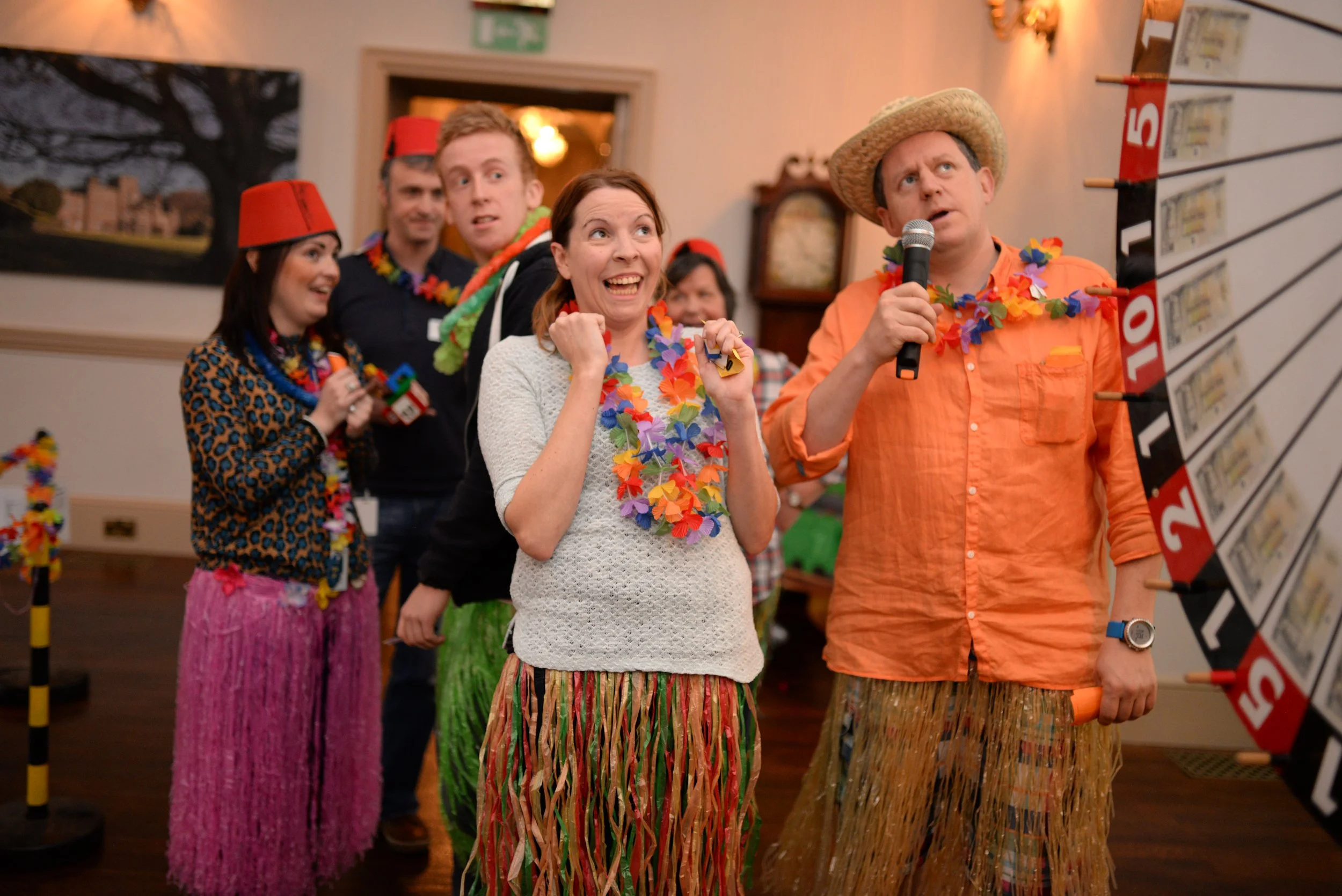
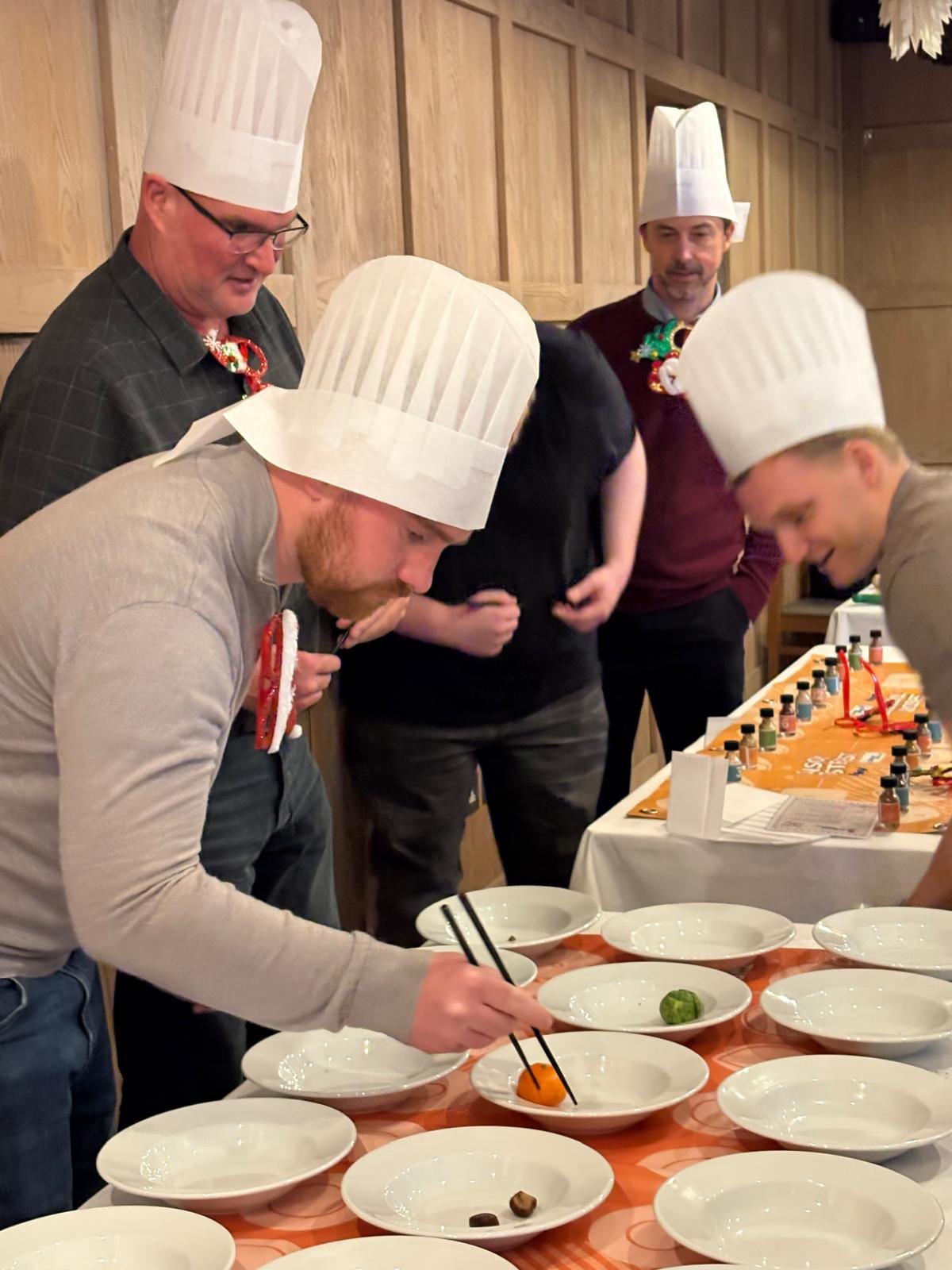
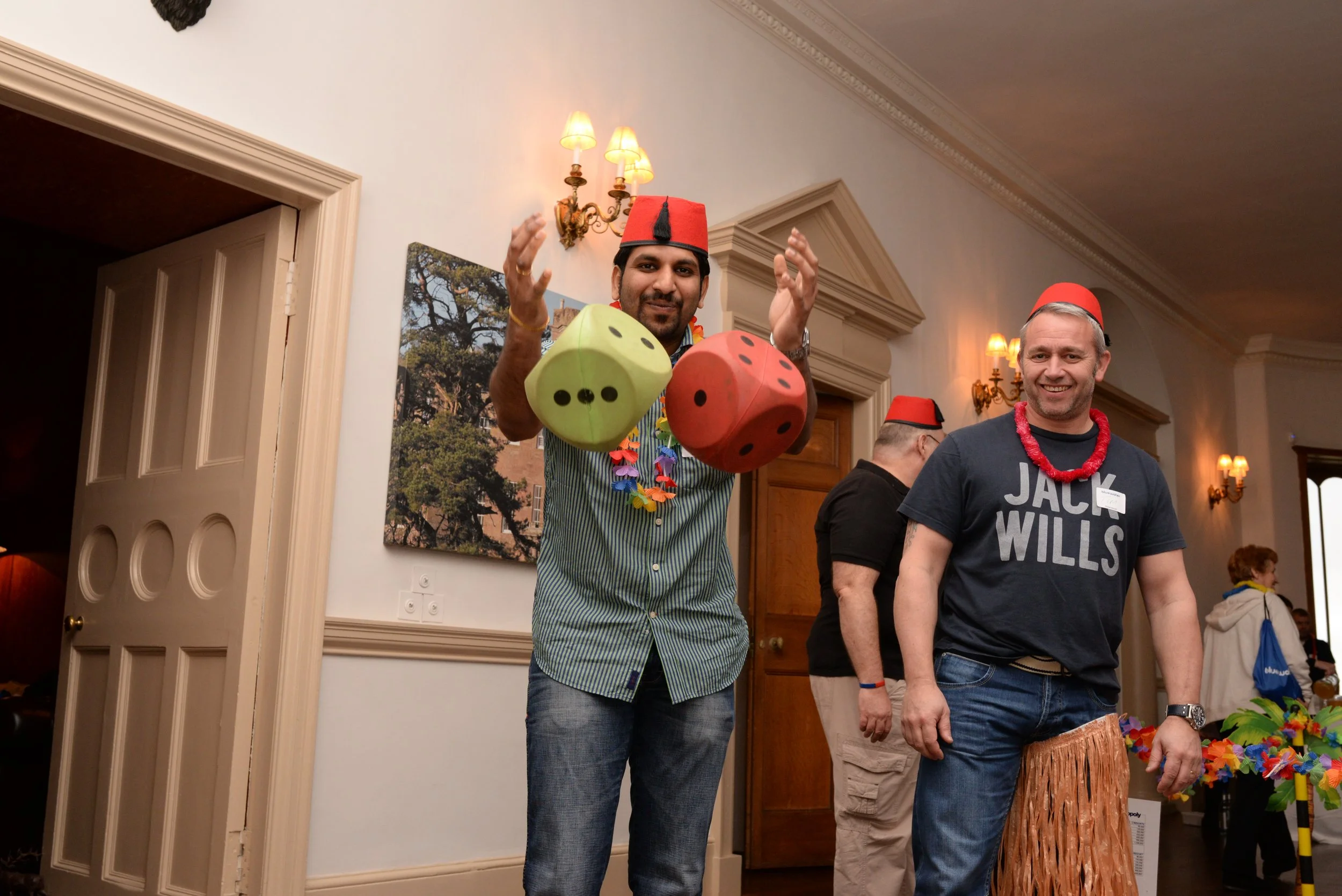
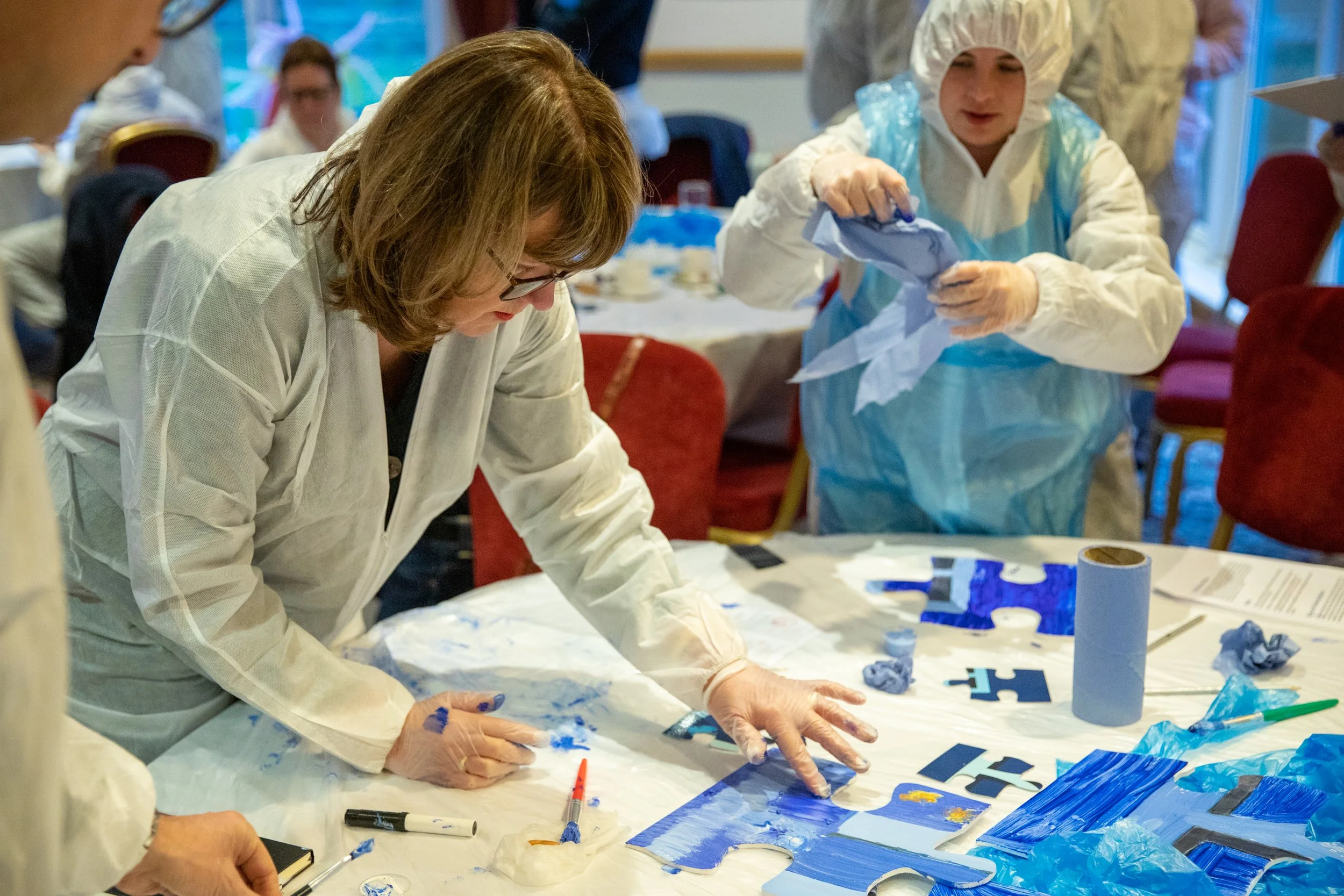
At BlueSky Experiences, Christmas team building activities are designed to bring festive energy together with teamwork, communication and collaboration. That can include lively competitive formats, quiz-style activities, culinary challenges, game-show inspired experiences and other festive team activities that help people interact in a relaxed and enjoyable way.
The important point is that not every activity suits every audience.
A senior leadership team may need a different format from a large operational group. A hybrid workforce may need an experience that reconnects people who do not often spend time together. A business that has had a demanding year may want something energising and celebratory. A newly formed team may benefit from an activity that helps people build confidence and connection.
Early planning gives time to make those choices properly.
It allows the activity to be matched to the people, the culture, the venue, the timings and the wider purpose of the event. This helps ensure the experience feels relevant rather than forced.
Christmas is a chance to recognise people properly
Recognition matters.
For many employees, the Christmas event is one of the few moments in the year when the organisation pauses to acknowledge collective effort. It can signal appreciation, reinforce belonging and remind people that their contribution is valued.
But recognition must feel genuine.
A poorly planned event can have the opposite effect. If it feels like an afterthought, people notice. If the format does not suit the group, attendance may suffer. If communication is late, people may not engage. If the activity feels generic, the opportunity to create a positive shared memory can be missed.
A well-planned event sends a different message.
It says the organisation has thought about its people. It says the business values connection, morale and team spirit. It gives colleagues something to look forward to and creates a positive end point to the year.
That is particularly important in organisations where people have been working under pressure. In those environments, a Christmas event is not just a social occasion. It is part of maintaining engagement, trust and team cohesion.
Businesses are still managing hybrid and dispersed teams
Many organisations now operate with teams that are spread across locations, working patterns and schedules. Some colleagues may be office-based, others remote or hybrid. Some teams may only come together occasionally.
This makes shared moments more important, not less.
Christmas provides a natural opportunity to bring people together, but dispersed teams require more careful planning. Travel, timing, accessibility and format all need to be considered. For some businesses, an in-person event will be the right choice. For others, online or hybrid options may help include people who cannot easily attend a central venue.
Planning early gives businesses time to make inclusion a priority.
It also allows internal communication to be stronger. People can understand what is being planned, why it matters and how they can take part. That helps build anticipation and improves engagement before the event even begins.
Festive team building can support real business outcomes
Christmas events should be enjoyable. That is part of their value. But enjoyment and business relevance are not opposites.
A well-designed festive team building activity can support several important outcomes. It can improve communication, encourage collaboration, build confidence between colleagues and strengthen relationships across teams. It can also help people end the year with a sense of shared achievement.
The most effective events do not feel like training. They feel engaging, social and energising. But within that experience, teams are still practising behaviours that matter at work: listening, problem-solving, decision-making, coordination and trust.
This is where BlueSky Experiences brings particular value.
With long-standing experience in corporate team building and business events, BlueSky Experiences understands how to create activities that are enjoyable while still being professionally delivered, inclusive and purposeful. The result is a festive event that people want to attend, remember positively and associate with the organisation investing in them.
Leaving it late can cost more than availability
When Christmas planning is delayed, the obvious risk is that dates and options become limited. But there are other risks too.
Internal communication becomes rushed. Budgets may be harder to approve. Stakeholders may not have time to align. Attendance can become uncertain. The event may be squeezed into an already busy period. Practical details, such as dietary requirements, travel, timings and accessibility, may receive less attention than they deserve.
These details matter because they shape the employee experience.
For HR, L&D, operations and leadership teams, the Christmas event is often a visible expression of how the organisation values its people. When it is well planned, it can strengthen confidence and goodwill. When it is rushed, it can feel disconnected from the needs of the team.
Early planning reduces that risk.
It allows the event to be designed calmly, communicated clearly and delivered professionally. It also gives businesses more time to connect the event to wider people priorities, whether that is engagement, retention, morale, team connection or simply ending the year well.
Summer is the right time to start the conversation
It may feel strange to think about Christmas while the country is experiencing extreme summer heat. But from a business planning perspective, this is exactly the right moment.
The organisations that start early will have more choice, better availability and more time to shape an event that works. They can secure the right date, involve the right stakeholders and choose an activity that fits their people.
They can also avoid the familiar autumn rush, when Christmas planning suddenly becomes urgent and everyone is competing for the same dates.
Thinking ahead does not mean finalising every detail immediately. It simply means starting the conversation early enough to make good decisions.
Make Christmas count this year
Christmas team building should not be treated as a last-minute seasonal extra. Done well, it can be a valuable opportunity to bring people together, recognise contribution and strengthen team connection at the end of the year.
In the middle of summer, December may feel distant. But the businesses that plan now are the ones most likely to create the strongest festive experiences later.
BlueSky Experiences provides a range of Christmas team building activities designed for business and corporate Christmas events. Whether your priority is reward, engagement, connection, communication or simply giving your people a memorable shared experience, early planning gives you the best chance of securing the right event for your team.
If you want your Christmas event to feel purposeful, professional and genuinely enjoyable, now is the time to start planning.
Do not wait until Christmas is on everyone’s mind.
By then, the best opportunities may already have gone.